

TRAVELING TO THE UNITED KINGDOM? A UK ETA (ELECTRONIC TRAVEL AUTHORIZATION) VISA IS NEEDED STARTING JANUARY 8, 2025
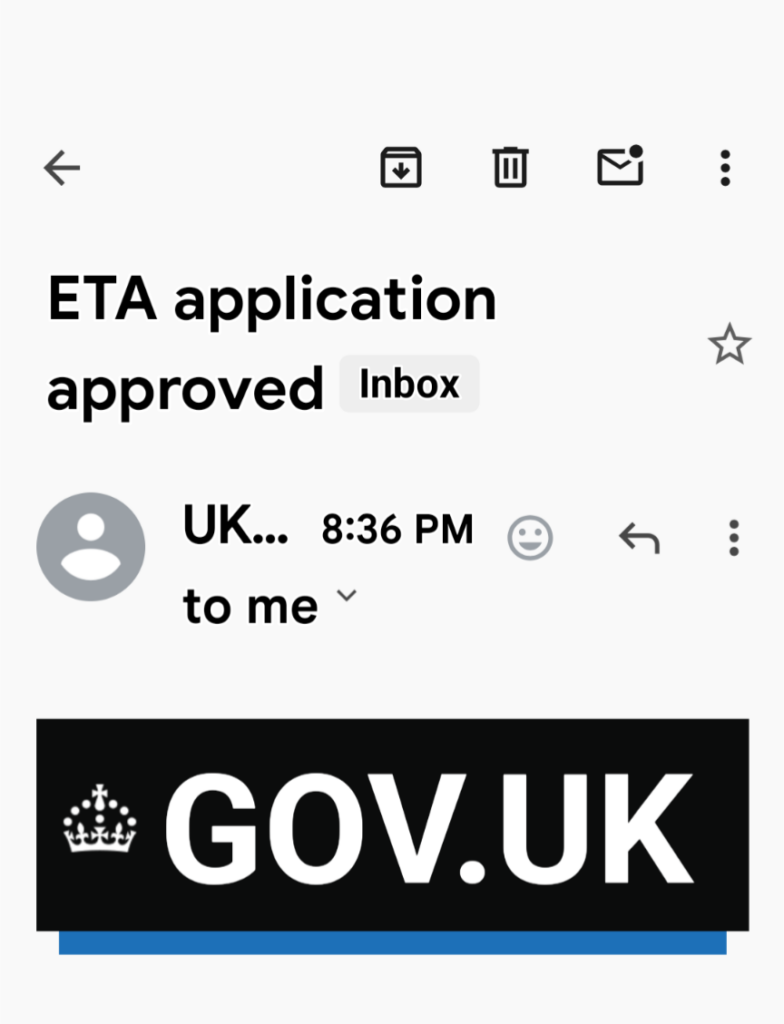
Printer-friendly versionVisas required for other European countries as well By Rebecca Jefferis Williamson December 17, 2024 (San Diego) – The new year brings in new travel visa requirements for travel, even in transit, for the United Kingdom. Starting January 8, 2025, an ETA (electronic travel authorization) is required for American citizens and have it approved, and in place, if you are travelling to the region or through it. Additionally, travel visas, obtained before you travel, will be needed in other European countries as well. Thirty European countries in 2025 will call for ETIAS (European travel information and authorization system) authorization. UK.ETA instructions noted to use the same passport you received your approval on, when you travel, because the visa is attached to your passport number. The official turn-around time for a UK ETA is noted as 72 hours, but the approval process can take place in much less time depending on an individual’s background and having travel documents that are current. Simply downloading the UK.ETA app on your cell phone can be used to start the process. But, have handy your valid passport, a form of payment such as a credit card or online form of payment such as Apple Pay and be prepared for uploading your photo during the process. Depending on the exchange rate it is around $13. If during the process the image of your passport, or photo, does not upload—rest assured—they gave this ECM reporter another chance to center the passport and face, in their app. Below are links that provide further information on the process: Apply for an electronic travel authorisation (ETA) – GOV.UK Visa processing times: applications outside the UK – GOV.UK The shelf life of the UK.ETA is two years. Their government listed January 8, 2025 to January 8, 2027, even though it was granted in December in this reporter’s experience. A retiree from Ohio, Raymond James, posted this on Facebook – “If you know you are travelling to Europe, even without a planned transit or stop in England. Best to get it. You could have something come up. If you need to jump on a flight that travels through an English airport—you can. Last minute change in plans, you can do it.” Be prepared well before you leave to have the electronic authorizations in place. It will make for a much smoother trip. Printer-friendly version

CDC ISSUES WARNING DUE TO ZIKA VIRUS: PREGNANT WOMEN SHOULD AVOID TRAVEL TO MEXICO AND PARTS OF CARIBBEAN, SOUTH AND CENTRAL AMERICA
Printer-friendly version “There’s a pandemic in progress.”– Dr. Anthony Fauci, director of The National Institute of Allergy and Infectious Diseases at the National Institute of Health East County News Service January 15, 2016 (San Diego) – Zika virus has spread to at least 14 countries in the Western hemisphere as well as Puerto Rico. Tests have linked Zika virus to babies born with microcephaly, a birth defect that causes babies to be born with small skulls, brain damage and sometimes death. Today, the U.S. Centers for Disease Control and Prevention issued a travel warning urging pregnant women and women who may become pregnant to postpone travel to Brazil, Colombia, El Salvador, French Guiana, Guatemala, Haiti, Honduras, Martinique, Mexico, Panama, Paraguay, Puerto Rico, Suriname, and Venezuela. Zika is spread by mosquitos biting an infected person and then biting another, transmitting the virus. The worst outbreak is in Brazil, where 3,530 cases of microcephaly in infants have been confirmed—a 20-fold increase over 2014, when there were only 147 cases of the neurological condition. Women who are pregnant or who may become pregnant should talk to their doctors if they must travel and take steps to prevent mosquito bites. All travelers to these areas should use insect repellant containing DEET, picaridin, oil of lemon eucalyptus, or IR3535. The CDC has indicated these are safe for pregnant and nursing women. You should also wear lightweight long-sleeves and long pants and consider wearing permethrin-treated clothing and gear. Be sure your sleeping area is screened to keep out mosquitoes or has air conditioning. There is no vaccine or treatment for the Zika virus infection, which is spread by Aedes mosquitoes. Two species of Aedes mosquitoes have recently been found in San Diego County but thus far the Zika disease has not been found here , In the United case, several cases have been diagnosed in Puerto Rico among individuals bitten by mosquitoes who had not traveled. At least eight cases in the last two years have been diagnosed in travelers returning to the U.S. The mosquito season peaks in April, so many more cases are likely to occur across the Southern hemisphere and other infested areas, health officials warn. Aedes mosquitoes can also carry deadlyYellow Fever, chikingunya, and dengue fever. In Mexico, there has been one imported case from Colombia, one case contracted by a mosquito bite in Chiapas and one in the northern State of Nuevo Leon, but authorities fear more cases will be identified . The disease is primarily spread by mosquitoes, though there is some evidence that it may also be transmitted sexually. The CDC advises that it is possible that Zika could be spread through blood transfusion, though there are no documented cases of this. “That’s a pandemic in progress,” Dr. Anthony Fauci, director of The National Institute of Allergy and Infectious Diseases at the National Institute of Health recently said, CNN reports. Researchers are racing to create a Zika Virus vaccine and improved treatments. But for now, avoiding areas with Zika outbreaks or taking steps to avoid being bitten by mosquitos if you must travel to infested areas are the only options. In San Diego County, health officials urge residents to get rid of standing water, since the Aedes mosquito can breed in just a thimbleful of water. Clean rain gutters and dump out water from planters, toys, vehicle tarps, old tires and elsewhere. Clean out bird baths weekly, keep water circulating in ponds and fountains and don’t let pool water turn green, since mosquitoes breed in stagnant water. The Aedes mosquito is aggressive during daylight hours, unlike native mosquitoes in our region. It can also breed indoors. If you believe you may have Aedes mosquitos in your area, contact the County Vector Control office. You can also get more info on how to prevent mosquito breeding here: http://www.sandiegocounty.gov/deh/pests/wnv/general_information/chd_wnv_mosquito.html Only about one in five people who contract the Zika virus will develop symptoms. Symptoms may include fever, muscle and joint pain, rash and conjunctivitis (eye inflammation). Rarely, complications may include Guillain-Barre syndrome, Here is information for healthcare providers on Zika virus: http://www.cdc.gov/zika/hc-providers/clinicalevaluation.html and http://www.cdc.gov/zika/hc-providers/diagnostic.html Printer-friendly version

U.S. STATE DEPT. ISSUES WORLDWIDE TRAVEL ALERT
Printer-friendly version East County News Service November 23, 2015 (Washington D.C.)—The U.S. State Department is warning travelers about terrorist threats in multiple regions following a spate of terrorist attacks in France, Nigeria, Denmark, Turkey and Mali as well as ISIS claims of downing a Russian jetliner. American citizens are urged to be vigilant in public places and transit, avoiding large crowds and exercising particular caution at holiday festivals or events. The alert does not advise canceling travel plans to any specific region, however. Travelers are also urged to monitor media for updated information and to be prepared for additional security measures and screenings. Also stay in touch with family members and have a contact plan in case of emergency. You shold also register with the State Department’s Smart Traveler Enrollment Program Below is the full text of the alert: The State Department alerts U.S. citizens to possible risks of travel due to increased terrorist threats. Current information suggests that ISIL (aka Da’esh), al-Qa’ida, Boko Haram, and other terrorist groups continue to plan terrorist attacks in multiple regions. These attacks may employ a wide variety of tactics, using conventional and non-conventional weapons and targeting both official and private interests. This Travel Alert expires on February 24, 2016. Authorities believe the likelihood of terror attacks will continue as members of ISIL/Da’esh return from Syria and Iraq. Additionally, there is a continuing threat from unaffiliated persons planning attacks inspired by major terrorist organizations but conducted on an individual basis. Extremists have targeted large sporting events, theatres, open markets, and aviation services. In the past year, there have been multiple attacks in France, Nigeria, Denmark, Turkey, and Mali. ISIL/Da’esh has claimed responsibility for the bombing of a Russian airliner in Egypt. U.S. citizens should exercise vigilance when in public places or using transportation. Be aware of immediate surroundings and avoid large crowds or crowed places. Exercise particular caution during the holiday season and at holiday festivals or events. U.S. citizens should monitor media and local information sources and factor updated information into personal travel plans and activities. Persons with specific safety concerns should contact local law enforcement authorities who are responsible for the safety and security of all visitors to their host country. U.S. citizens should: Follow the instructions of local authorities. Monitor media and local information sources and factor updated information into personal travel plans and activities. Be prepared for additional security screening and unexpected disruptions. Stay in touch with your family members and ensure they know how to reach you in the event of an emergency. Register in our Smart Traveler Enrollment Program (STEP). Foreign governments have taken action to guard against terrorist attacks, and some have made official declarations regarding heightened threat conditions. Authorities continue to conduct raids and disrupt terror plots. We continue to work closely with our allies on the threat from international terrorism. Information is routinely shared between the United States and our key partners in order to disrupt terrorist plotting, identify and take action against potential operatives, and strengthen our defenses against potential threats. For further information: See the State Department’s travel website for the Worldwide Caution, Travel Warnings, Travel Alerts, and Country Specific Information. Enroll in the Smart Traveler Enrollment Program (STEP) to receive security messages and make it easier to locate you in an emergency. Call 1-888-407-4747 toll-free in the United States and Canada or 1-202-501-4444 from other countries from 8:00 a.m. to 8:00 p.m. Eastern Standard Time, Monday through Friday (except U.S. federal holidays). Printer-friendly version
STATE DEPT. ISSUES TRAVEL ALERT FOR MIDDLE EAST AND NORTH AFRICA DUE TO POSSIBLE AL QAIDA ATTACKS
Printer-friendly version By Miriam Raftery August 4, 2013 (Washington D.C.) – The U.S. State Department has issued a worldwide travel alert warning U.S. citizens about the potential for terrorist attacks in the region during August in the Middle East and North Africa. The alert comes on the heels of prisoner break-outs in several countries believed to be tied to Al Qaida. In addition, Interpol has issued a global traveler’s alert due to terrorism concerns. Below is the full text of the U.S. State Department alert: August 02, 2013 The Department of State alerts U.S. citizens to the continued potential for terrorist attacks, particularly in the Middle East and North Africa, and possibly occurring in or emanating from the Arabian Peninsula. Current information suggests that al-Qa’ida and affiliated organizations continue to plan terrorist attacks both in the region and beyond, and that they may focus efforts to conduct attacks in the period between now and the end of August. This Travel Alert expires on August 31, 2013. Terrorists may elect to use a variety of means and weapons and target both official and private interests. U.S. citizens are reminded of the potential for terrorists to attack public transportation systems and other tourist infrastructure. Terrorists have targeted and attacked subway and rail systems, as well as aviation and maritime services. U.S. citizens should take every precaution to be aware of their surroundings and to adopt appropriate safety measures to protect themselves when traveling. We continue to work closely with other nations on the threat from international terrorism, including from al-Qa’ida. Information is routinely shared between the U.S. and our key partners in order to disrupt terrorist plotting, identify and take action against potential operatives, and strengthen our defenses against potential threats. We recommend U.S. citizens register their travel plans with the Consular Section of the U.S. Embassy through the State Department’s travel registration website. We strongly recommend that U.S. citizens Traveling abroad enroll in the Department of State’s Smart Traveler Enrollment Program (STEP). STEP enrollment gives you the latest security updates, and makes it easier for the U.S. embassy or nearest U.S. consulate to contact you in an emergency. If you don’t have Internet access, enroll directly with the nearest U.S. embassy or consulate. For the latest security information, U.S. citizens traveling abroad should regularly monitor the Department of State’s Internet website attravel.state.gov where the Worldwide Caution, Country Specific Information, Travel Warnings, and Travel Alerts can be found. Follow us on Twitter and the Bureau of Consular Affairs page on Facebook as well. Download our free Smart Traveler app, available through iTunes or Google Play, to have travel information at your fingertips. In addition to information on the internet, travelers may obtain up-to-date information on security conditions by calling 1-888-407-4747 toll-free in the United States and Canada or, from other countries, on a regular toll line at 1-202-501-4444. These numbers are available from 8:00 am to 8:00 pm Monday through Friday, Eastern Time (except U.S. federal holidays). Printer-friendly version
GREEN TRAVEL OPTIONS ARE SPROUTING EVERYWHERE
Printer-friendly version By Laura Chapman March 28, 2013 (San Diego’s East County)–We all know about going “green” around our homes. Recycling newspapers, plastic and aluminum has become so commonplace that we actually look for recycling bins when we’re out and about. How many times have you gone to a dinner party and helped with the cleanup by asking, “Do you recycle?” All of this is aimed at the goal of reducing our individual carbon footprints. If we can all lower the amount of carbon by-products released into the atmosphere we’ll be taking proactive steps to bolster our fragile eco-system. Now the green movement has spread beyond homes and businesses and out into the travel industry. Yes, you can see the world and still go green. What is Green Travel? Adopting green travel habits isn’t really all that challenging. You might have already done some of these things on your last trip. Whether you’re planning a trip to another state or another country keep these green travel factors in mind: Transportation: There may be no way to avoid a plane trip to your vacation destination but you can offset that carbon output by going green with your mode of transportation once you land. Whenever possible walk or cycle during your trip. Many popular tourist spots will accommodate you with convenient bike rental stations. Take public transportation or a train. Probably the best way to see a country! Spend Local: There is a temptation when traveling in a foreign land to gravitate towards the familiar when it comes to food. You’d be missing out on a lot by simply checking in at a European or Asian branch of your favorite fast food restaurant. Instead, try to spend your dollars at locally owned restaurants, cafes and shops. Ask your travel agent about which potential hotel or B&B is locally own and staffed by local residents. That’s where your travel dollars should be spent. Bottom line: avoid the major chains and franchises and look for “mom and pop.” Keep Up the Three R’s: That would be reduce, reuse and recycle. Some countries might not have the green plastic recycling bins we’re used to but that doesn’t mean they aren’t recycling. Ask the concierge about the hotel’s recycling policies. Even if they don’t recycle you can still be conscious of the natural resources your expending. Try to be as efficient as possible when it comes to buying sodas, water or other items that come in recyclable containers. Read local papers on your tablet or phone. In other words, try to do all the things you would normally do at home. Support Protected Areas: You might be able to plan out your next trip to a region which is working to protect natural habitats. By visiting these areas you’ll be providing them with the much-needed financial support to help maintain those areas. You’ll also be treated to some amazing sights. Embrace the Local Culture: On many levels, going green is about getting back to basics. This also applies to the culture you’re visiting. Don’t be an outsider but try for a total immersion experience in a local culture. Do a little research on their customs and don’t be afraid to engage the locals in conversations about their heritage. You’re sure to come away with many great memories and new friends. Work With Your Travel Agent As you prepare for your next trip you might want to alert your travel agent of your desire to “go green.” Many agencies are embracing the desire for folks who want to be environmentally conscious on their vacations. Because of that you might find some great bargains on train tickets, electric car rentals and designated “green” hotels. Even the major cruise lines are getting into the green travel act. Many of the newer ships have adapted their designs to include things like solar energy and reprocessing stored water. For instance, the Royal Caribbean cruise lines recently invested over $100 million to design on board water treatment systems that convert wastewater into usable water. The Disney Cruise lines uses recycle air conditioning water to operate their laundry. There have also been restrictions put on cruise ships that travel to protected coastlines like Alaska. It’s possible with a little research that you can cruise and stay green for a wonderful vacation. Printer-friendly version
MADRID, EWIN FEUD OVER COUNCIL APPOINTMENTS AND TRAVEL ISSUES
Printer-friendly version By Miriam Raftery and Janis Mork February 15, 2013 (La Mesa)–It’s not often that a mayor accuses a councilmember of lying in a public meeting, or that a councilmember contends the mayor is engaging in schoolyard banter. Both happened in La Mesa this week, where Mayor Art Madrid and Councilmember Ernie Ewin engaged in a terse dispute over appointments to three regional boards plus travel expenses. On January 8, the Council unanimously approved three appointments on a motion introduced by Mayor Art Madrid, who renamed himself to the San Diego Association of Governments (SANDAG), recommended Ewin for reappointment to the Metropolitan Transit System (MTS), and nominated himself for the Joint Powers Metro Wastewater Treatment Board that Ewin has chaired for the past two years. Also on January 8, Ewin launched a discussion of travel policy, contending that Madrid has not met reporting requirements pursuant to state law under AB 1234. (Madrid contends he did nothing wrong.) Ewin later sought to have council reconsider appointments. He also asked that the travel issues be agendized. Both items were placed on the January 22 agenda. Madrid was traveling and could not attend the January 22 council meeting, so requested that these items be postponed until he returned. Madrid contends that “no explanation, reason or good cause” was given for seeking his removal from two boards. In a strongly worded diatribe at the January 13 meeting, he stated that while reviewing a video recording of the January 22 meeting “I was stunned to see the specific items I requested to be continued were under full discussion by Mr. Ewin and he concluded with a motion to remove the Mayor as the primary member of the waste water/JPS board because he couldn’t serve as an alternate…If Mr. Ewin can’t serve as the alternate, he should resign so we can appoint his replacement.” Madrid then went on to accuse Ewin of challenging Council’s authority, adding, “and there is something especially troubling when a Council member openly lies at a public meeting and thinks nothing about it.” He accused Ewin of lying about continuing the agenda items on the 22nd and other matters. Ewin defended his actions in an interview and e-mails sent to ECM. “Mr. Madrid is welcome to his opinion but not his version of the facts as `gospel,’” said Ewin, adding that much of Madrid’s statements amounted to the Mayor’s perspective. Ewin contends that the Mayor has made several prior efforts to oust him from the Transit board. Ewin says that his job requires travel, and so does service on the MTS board for out of town meetings. MTS recently decided that its LOSAN representative should be an elected official. A Chula Vista Councilmember has been attending LOSAN meetings on the board’s behalf, but Ewin says the intent was for him to takeover “once I get up to speed….So my purpose, why I agendized this, was to go ahead and do a public discussion.” He explains that he didn’t simply call the Mayor because “I already talked to one Councilmember, so if I talked to the Mayor, that would be a Brown Act violation. So I put it into the agenda (for Jan. 22.) The items were later continued to February 12 after the Mayor announced his travel plans. But Ewin states, “Because I had agendized it [the wastewater appointment] I felt obligated to disclose publicly what I knew and why I was doing this, because there had been a formally ratified appointment at MTS. They had ratified my outside assignments. I am the chair pro tem for MTS and I will probably be the audit chair again this year.” He added that continuity and seniority are important. He adds that he discussed the matter with Council and “We made the motion to reconsider the appointments” and put them on the agenda for February after the Mayor returned. “Whether he had been there or not we would have made the recommendation, so there was no harm there.” Ewin also believed that for the wastewater board, newly elected Councilmember Kristine Alessio was better qualified as a former Planning Board member. “It’s a land use issue,” said Ewin. “Here is my question…Why is it, Art, that of the three major outside appointments, you didn’t see fit where you have a land use attorney to represent the best that we have for the wastewater appointment?” There’s more than the honor of representing La Mesa at stake; councilmembers receive stipends, typically $150, for attending meetings to boards on which they are appointed to serve. City regulations state that Council must approve appointments in January of each year. However Ewin notes, “We can remove someone anytime we want. It takes three votes.” At the prior meeting, Ewin also led efforts to tighten up travel procedures. Council voted 5-0 to direct staff to create a form for council members to seek advance permission for travel, which must be publicly agendized in the future. “Anyone can comment on it and can ask ‘how is the travel germane?’ “Ewin told ECM. “Travel needs to be germane to city operations and safety.” At the February 13 meeting, Madrid called Ewin’s actions “deeply troubling.” Madrid introduced a resolution to affirm the three January appointments and further, contended that “there has been no abuse, malfeasances or violations of travel approved budgeted resources by any council member of the Mayor.” He then moved that remaining council initiated items on the agenda be tabled, including the travel policy discussion. The Mayor did not prevail. Council voted down the resolution, with Councilmember Ruth Sterling joining the Mayor in voting for it, while Ewin, Alessio, and Councilman Mark Arapostathos voted against it. Ewin then brought up the travel resolution, which had previously been approved. Council reviewed the language crafted by the City Attorney and City Manager, then voted to ratify it. Ewin then pulled the agenda items on the SANDAG and wastewater appointments. Madrid says the Council needs to keep its focus on important issues, such
BOOK REVIEW: ADVENTURES AND DANGERS ABOUND IN TRAVELS WITH A ROAD DOG
Printer-friendly versionTravels With A Road Dog: Hitchhiking Along the Roads of the Americas, by R.K. (Charleston, SC, 2012, 364 pages). Book Review by Dennis Moore December 26, 2012 (San Diego’s East County)–Reading East County resident R.K.s’ memoir, Travels With A Road Dog: Hitchhiking Along the Roads of the Americas, immediately conjures up thoughts of Woodstock to me, and all things associated with that time and place in American history and lore. It was a time of expression of freedom and adventure, which the author certainly demonstrates in her book. Kathryn Rajam Roose is on her birth certificate; the author’s mom chose Rajam, in honor of a close friend from India, with whom she had shared a room at the Cincinnati Conservatory College. Although her name is Kathryn, to avoid confusion while she was growing up, everyone called her Rajam. Perhaps that was the beginning of the free spirit that the author would exhibit in her travels talked about in this book. After reading the book, it is a wonder that the author was able to live to tell this remarkable story, as she actually found herself in many dangerous and compromising situations. At the age of 20, R.K. gives away her belongings to embark upon an exciting four year journey of camping and hitchhiking with only a cooking pot, blanket, tarp, and matches. She begins her adventure at Rainbow gatherings, helping to build kitchens and seed camp. She spends many months traveling and living within this little known nomadic subculture that creates its own form of utopian communalism. She writes unabashedly of the use of marijuana and acid in this revealing memoir, a further reminder of Woodstock. She wanted to experience life without structure, to be free to see the world and meet extraordinary people. She recalls meeting and joining up with a couple of guys on one of her hitchhiking trips, noting that these guys’ lives revolved around following the Grateful Dead. Someone had told R.K. about a “regional” gathering in Northern California at Mt. Shasta. So having no way of getting there, she decided to hitchhike out and see the West Coast. She recalls in her teens having taken vacation trips with her family to the Grand Canyon, Yosemite, and Mt. Rushmore, but this would be different. With little to no money, her travels take her around North America from the dangerous streets of East Hollywood Boulevard to a little known beach on Vancouver Island in Canada and even to the warmer climes of Key West, Florida. Along the way, she picks up a Shepherd/Lab mix dog for a traveling companion. Her resourcefulness is truly tested, as her memoir illustrates. During the mid 1990s when U.S. tourists were warned to stay away from Mexico, she and a companion entered illegally into Mexico, hitchhiked down the East coast through Chiapas and returned up the West coast where she found herself in the presence of a Mexican cartel. It was actually in Mexico where she was put in a compromising position with a husband and a wife; the wife wanted to have sex with her and the husband would acquiesce, but it never came to pass. She also alludes to seeing a man shot and killed in Mexico. Her unique travel experiences continued when she hitched a sailboat ride to the Bahamas on a boat with no engine and on to Venezuela where she experienced student riots and the anger of a madwoman. Travels with A Road Dog are the true stories of a young woman who discovers herself and the world around her. Not only is hitchhiking considered an unconventional way to travel, but it is rarer still that this journey was completed by a woman. She has one remarkable experience after another in her travels. R.K., somewhat nonchalantly, describes a chance encounter with two-time NFL Super-Bowl MVP John Elway of the Denver Broncos in a restaurant. After paying for meals for the author and her friend, Elway stated that “they had some balls” for what they were doing, and that he had always wanted to try hitchhiking and “wished he had the nerve to follow his dream.” We all have our own dreams in life, and it is really surprising to hear the author state in her book that the much accomplished John Elway, had a similar dream as hers. This book is full of many anecdotes and travelling experiences, as well as risky behavior. She is fortunate to be here to tell this remarkable story, and to be in her right mind. I applaud her for the courage to tell her tales and recommend this book to anyone having a similar dream to follow. Dennis Moore is a writer and book reviewer with the East County Magazine in San Diego and the book review editor for SDWriteway, an online newsletter for writers in San Diego. He is also the author of a book about Chicago politics: “The City That Works: Power, Politics and Corruption in Chicago.” He can be contacted at contractsagency@gmail.com or you can follow him on Twitter at: @DennisMoore8. Printer-friendly version
EAST COUNTY CHAMBER SHARES SOME HOLIDAY SPIRIT –AND PLANS SOME SPIRITED ADVENTURES
Printer-friendly versionDecember 20, 2012 (El Cajon)—Members of the East County Chamber of Commerce gathered for some seasonal merrymaking and networking at the Kia dealership in El Cajon. This event, along with a Chamber breakfast earlier in the month, also doubled as a toy drive to help brighten this holiday season for children from needy families. Next up, the Chamber wil be embarking on a series of group travel opportunities including a tour in Tuscany, a jungle adventure in Costa Rica, “Shades of Ireland,” and a trip to sunny shores of the French Riviera. You can even enter a contest to win a trip to Ireland; the winner will be drawn at HooleyFest next St. Patrick’s Day. For details, visit: http://eastcountychamber.org/component/k2/itemlist/category/2?Itemid=37 Printer-friendly version
DIVORCE FAMILIES CAN STILL ENJOY HAPPY HOLIDAYS—WITH A LITTLE PLANNING
Printer-friendly versionCommunication, courtesy and putting your kids first goes a long way By Myra Chack Fleischer, Fleischer & Associates November 28, 2012 (San Diego)–The holidays aren’t always warm and fuzzy like a Hallmark card for divorced and separated parents. Phones start ringing off the hook in family law offices all over the country including Fleischer & Associates as families start squabbling over custody and visitation schedules, winter vacations and even gift-giving. Serious fears about non-custodial parent abductions and unsupervised visits can arise. Believe it or not, most attorneys would rather enjoy the holidays with our own families than rush into court to file emergency legal documents for stressed out clients during the season. Due to the recent court cutbacks, emergency filings are an even greater strain on everyone. This is the time to think ahead, anticipate and solve problems so you can enjoy your holiday season with minimum stress for you and your children. If at all possible, communicate, and communicate some more with your former spouse. Do so through attorneys if you must. Here’s the payoff: you’ll not only avoid stress but also any added financial expense from legal bills. My tips for divorced parents: Get out your most recent court order. Is there a holiday schedule included in it? It may be a while since you looked it over. Get familiar with specific dates and times your children are with you, and when they are supposed to be with the other parent. Be proactive and send a friendly confirmation of the holiday schedule to the other parent so that expectations are clear. See if you can solve any disagreements now. Attorneys are usually happy to review your holiday schedules for minimum or no cost. Whatever the cost, it will save time, money, and stress in the long run. Draw up a holiday schedule for your kids and post it. Make sure everyone is familiar with it so transitions are smooth. The only surprises should come from Santa. Be flexible. If out of town relatives are making a special visit, don’t punish your children by prohibiting visitation even if it’s your regular time. It might be the only time of the year seeing them is possible. Encouraging ongoing relationships with all of your children’s family members is always in their best interest. If your kids have to travel to visit a parent who lives far away, both parents should have a copy of the specific holiday schedule, contact numbers and addresses so the non-visiting parent can stay in touch during the visitation period. Get everything in writing so there are no misunderstandings. If you fear for a child’s safety or have suspicions about child abduction, you may want to discuss your concerns with a family law attorney and decide whether you need to ask a court for a modification of visitation. As a general rule, you cannot take minor children out of your state without the other parent’s express written consent. The other parent should be informed right away if you plan to leave town. Don’t forget and then expect him or her to go along the day before the trip. Stay positive and assure your kids they will enjoy happy holidays with both of you. Don’t make them take sides and don’t make them feel guilty for enjoying time with the other parent’s side of the family. If you feel sadness about family activities that remind you of a time your family was together, forget about struggling to keep everything the same. Accept change as positive and introduce some new, fun activities into your holiday. If your divorce is fresh, sitting down with your ex and his or her family at the dinner table might be too much right now. Once the wounds start to heal, see if you can be the bigger person. While your relationship with your in-laws has changed, your child’s relationships with their family members have not. Be polite for a few hours to allow your children to enjoy a family meal or event. A minimum effort on your part could save you and your family from an emotional or financial disaster. This is supposed to be a special time of the year for everyone, most of all your children. Myra Chack Fleischer founded Fleischer & Associates in 2001 and serves as Lead Counsel with a focus on divorce, property, custody and support, settlement agreements, mediation, asset division and family law appeals. Follow Fleischer & Associates on Facebook and on Twitter @LawyerMyra Printer-friendly version
EAST COUNTY AUTO CLUB BRANCH OPENS
Printer-friendly versionSeptember 24, 2012 (El Cajon) – The Automobile Club of Southern California has opened a branch at 2987 Jamacha Road, El Cajon, in the Rancho San Diego Towne Center (Target shopping center). The new 6,480-square-foot branch is adjacent to TGI Fridays restaurant near the corner of Jamacha Road and Campo Road. The branch phone number is (619) 660-6657. “We constantly evaluate how to better serve our members, and this new location is in an area that many of our members visit for regular errands,” said Debra Bails, the Rancho San Diego branch manager. The Rancho San Diego branch offers insurance, travel and automotive services, as well as most vehicle-related DMV transactions. Office hours for the branch are 9 a.m. to 5 p.m. Monday through Friday and 10 a.m. to 2 p.m. on Saturday. For access to Auto Club services (except DMV) at any hour, residents can visit September 24, 2012 (El Cajon) – The Automobile Club of Southern California has opened a branch at 2987 Jamacha Road, El Cajon, in the Rancho San Diego Towne Center (Target shopping center). The new 6,480-square-foot branch is adjacent to TGI Fridays restaurant near the corner of Jamacha Road and Campo Road. The branch phone number is (619) 660-6657. “We constantly evaluate how to better serve our members, and this new location is in an area that many of our members visit for regular errands,” said Debra Bails, the Rancho San Diego branch manager. The Rancho San Diego branch offers insurance, travel and automotive services, as well as most vehicle-related DMV transactions. Office hours for the branch are 9 a.m. to 5 p.m. Monday through Friday and 10 a.m. to 2 p.m. on Saturday. For access to Auto Club services (except DMV) at any hour, residents can visit AAA.com. Auto Club members and the public can use AAA Travel agency services at the Rancho San Diego branch to plan tours and cruises, make worldwide and domestic airline reservations, book hotels and car rentals and obtain rail tickets and foreign currency. International travel services include passport, visa and customs information; low-cost passport photos; International Driver’s Permits and Mexico automobile insurance. Members receive special travel benefits and discounts, including complimentary TourBooks®, TripTiks®, and maps for auto travel. The branch also includes experienced insurance sales professionals who can provide auto, watercraft, homeowners, life, umbrella, collector car and renter’s insurance services, according to Insurance Business Manager Michael Schmitz. Printer-friendly version
ON THE SILVER SCREEN: THE “WEEKEND” OF THE AFFAIR
Printer-friendly versionBy Brian Lafferty October 14, 2011 (San Diego) – Weekend is not to be confused with the 1967 Jean-Luc Godard film by the same name. This Weekend, a British import, is in some ways like a Henry Jaglom film in that it’s high on the dialogue meter and all about relationships. What separates Weekend from Henry Jaglom’s films are that it isn’t self-indulgent, it’s an honest portrayal of relationships, and the characters and conversations are worthy of my time and yours. Weekend has the barest of plots, but writer and director Andrew Haigh manages to get a lot of mileage out of it. Tom Cullen is a gay man named Russell who meets Glen (Chris New) at a nightclub. The two have a one-night stand, after which Tom falls in love with him. He learns that Glen will be leaving for Portland, Oregon and will in all likelihood never see him again. The two spend the weekend before his trip to the States talking about life, sex, relationships, and gay issues. The movie’s format involves Haigh throwing lots of stuff at the screen and seeing what sticks. Most of the time his aim is accurate and a majority of what sticks provokes much thought. Sometimes my interest waned as the film sagged in spots. Whenever it did, however, the format offered an entry point for me to jump back in with ease. Cinematographer Urszula Pontikos’s lightly handheld camerawork doesn’t add realism. What it does provide is an opportunity to make one feel like a participant. Pontikos positions the camera just slightly higher than normal and uses a variety of smooth tilts and pans to reveal certain details. It’s similar to how we look up, down, and sideways. The handheld camera brings immediacy to the picture and an intimate glimpse into the lives of Russell and Glen. Writer Haigh crafts a script loaded with fruitful conversations about sex, relationships, and gay issues, which he then peppers with sexually explicit dialogue. Some of it is superficial, particularly when they discuss the hypocrisy between the way heterosexual and homosexual relationships are viewed by the average person. The rest of it is thoughtful and intelligent. The only major issue that plagues Weekend doesn’t have anything to do with the actual film. The dialogue is English but the thick British accents and the actors’ tendencies to speak in soft, low voices make a portion of the dialogue hard to understand for American audiences. Maybe the distributor was afraid to put in subtitles, thinking that the mere notion would alienate people who have an aversion to them. Even so, it’s not essential to hear every line of dialogue. I didn’t feel deprived, although some people may be pickier despite the fact that Weekend doesn’t hinge on every line of dialogue. On its surface, it looks like a whole lot of nothing. But when you add everything up, you can see the entire picture. Still, it would have been nice to at least have a chance to hear everything. Weekend contains some sex, namely a handjob and oral sex, but it doesn’t seek to push the envelope or push any buttons. It doesn’t break any new ground in gay issues or gay relationships in cinema. It does make us view sex and interpersonal relationships from a perspective that either we never thought of before or rarely think of. By having the relationship be between a man and a man, he shows us that such relationships and the issues encountered are not any different than those between a man and a woman. Weekend is now playing at the Landmark Hillcrest Cinemas. An IFC Films release. Director: Andrew Haigh. Screenplay: Andrew Haigh. Cinematography: Urszula Pontikos. Original Music: James Edward Barker. Cast: Tom Cullen and Chris New. 97 minutes. Unrated. Brian Lafferty can be reached at brian@eastcountymagazine.org. You can also follow him on Twitter: @BrianLaff. Printer-friendly version
NAKED BODY SCANS AT AIRPORTS TO BE PHASED OUT
Printer-friendly versionBy news staff at www.GovTech.com July 20, 2011 (Washington D.C.)–The full-body scanners used to screen passengers at airport security checkpoints will be getting new software that will discontinue “passenger-specific” images, the Transportation Security Administration (TSA) announced Wednesday, July 20. The revealing images, decried by privacy advocates and the general public, had been designed to spot weapons and other contraband concealed on a passenger’s body. But the TSA’s “millimeter wave Advanced Imaging Technology machines” gave security screeners an X-ray view of a passenger’s naked body, including genitalia. Last year, some of these embarrassing images were leaked online. A software upgrade, called Automated Target Recognition, “will auto-detect items that could pose a potential threat using a generic outline of a person for all passengers,” according to the TSA announcement on Wednesday. The location of potential threats is indicated on a generic, computer-generated outline of a person that appears on a monitor attached to the scanner. “Further, a separate TSA officer will no longer be required to view the image in a remotely located viewing room,” according to the TSA. Passengers will be able to see the same body image the TSA agent sees. As with current policy, if the scan detects a potential threat, a TSA agent will pat-down the passenger. “This software upgrade enables us to continue providing a high level of security through advanced imaging technology screening, while improving the passenger experience at checkpoints,” TSA Administrator John Pistole said in a statement. The new software, developed by the TSA and U.S. Department of Homeland Security’s Science & Technology Directorate, was successfully tested in February at Hartsfield-Jackson Atlanta International, Las Vegas’ McCarran International and Ronald Reagan Washington National airports. The TSA began installing the body scanners in 2007, and many of them were funded by the federal stimulus. According to the federal government, there are nearly 500 imaging technology units at 78 airports nationwide. Last week a federal appeals court ruled that the TSA’s use of the full-body scanners is constitutional. Reprinted with permission from http://www.govtech.com/public-safety/Naked-Body-Scans-Airports-Phased-Out.html Printer-friendly version
KELLLY’S TRAVEL TIPS & TRIPS: CLASSIC TRAIN TRIPS
Printer-friendly version All aboard for the most scenic and relaxing train rides in North America–and beyond… By Kelly Wieboldt Are you ready for a unique experience? A great train ride might be exactly what you are looking for! Once you’re snug in your window seat, you’ve already begun. The joy is in the journey itself. There is a feeling of old-fashioned civility that saturates the experience, while the thrills likewise seem to hearken back to another era–a leisurely conversation with a friendly stranger, sipping cocktails in the lounge car, being lulled to sleep by the comforting hum of clickety-clacking. Children especially love trains (along with subways, trolleys, whatever rolls on wheels), delighting in the chance to roam the aisles instead of being strapped into a car seat. And in some sense, every time that engineer’s whistle blows, a playful, childlike wonder bubbles up inside all train lovers, young and old. Popular train trips in North America often sell out, so it’s wise to book two or more months in advance, especially if you’re traveling in summer or if you want a sleeper compartment or other special accommodations. You’ll start to decompress the moment you’re on board, however–luggage stowed, ticket punched and the driving left to someone else. THE ADIRONDACK A few miles removed from New York City, past the traffic-clogged George Washington and Tappan Zee bridges, passengers aboard the Adirondack can gaze out at a pastoral scene that the 19th-century Hudson River School painters would have recognized: densely forested hills, tiny waterfront hamlets and, of course, the broad Hudson River itself. This 10-hour trip might feel as if you’re being transported to a foreign land–and you are, for the end of the line is cobblestoned, French-speaking Montreal. En route, you’ll puff into stops like Saratoga, the storied Victorian resort town still popular for horse-racing and soothing springs, and Westport, NY, with its handsome, still-functioning 1876 train station that also houses the Depot Theatre, with a backdrop of serene Lake Champlain and, in the distance, Vermont’s green mountains. New York to Montreal from $62 THE AUTO TRAIN Best for Families When you and your family ride Amtrak’s imaginatively named Auto Train from the Washington, D.C., area down to theme-park central near Orlando, FL, here’s what you won’t have to deal with: I-95 traffic, airport parking, fumbling with a toddler’s shoes at airport security, antsy kids struggling to escape their car seats, and lineups at the car-rental counter. You won’t even need to forage for food: All meals are included, and one of the five entrees served should satisfy even the pickiest half-pint. With afternoon departures that arrive the next morning, the Auto Train is the equivalent of a red-eye flight–only you get beds, a shower a few steps from your seat, and your own familiar car (and car seats) at journey’s end. Lorton, VA, to Sanford, FL; family bedroom for two adults and two children, plus car, $1,104 CALIFORNIA ZEPHYR Best for a Little Bit of Everything Vast heartland plains; two towering mountain ranges; sun-scorched buttes and canyon lands; stops at towns renowned for everything from skiing (Winter Park, CO) to hot springs (Glenwood Springs, CO) to religion (Salt Lake City, UT) to sin (Reno, NV)–all book-ended by the world-class skylines of Chicago at one end and San Francisco at the other. That mouthful only starts to describe the two-day, 2,400-mile route of the California Zephyr. The journey’s literal peak occurs in the Colorado Rockies, where yellow and pink wildflowers speckle grassy meadows in summer. The train doesn’t so much climb the Continental Divide as plunge right through it via the six-mile-long Moffat Tunnel, 9,000 feet above sea level. Even more astounding is the path through the Sierra Nevada, where the Zephyr clings to cliff-sides, zigzags up switchbacks and glides through snow sheds that were built to protect the rails from avalanche. Chicago to Emeryville (San Francisco) from $182, roomette for two from $924 COAST STARLIGHT Best for a Vintage Experience A drink might take the edge off after a grueling drive, or make a bad flight bearable. But sipping a Cabernet aboard a train? Well, that’s just one more reason train passengers are rarely in a rush to reach their destination. The one-night, 35-hour trip aboard the Coast Starlight meanders through prime grape-growing regions in Oregon and California. For a nominal fee, passengers can enjoy a daily tasting of wines produced along the route–perhaps a Napa Valley Chardonnay or a Pinot Noir by way of Santa Barbara. The setting is the train’s refurbished, first-class parlour car, but there’s nothing highfalutin about the scene: A table holds self-serve trays of cheese, fruit and crackers, and handwritten descriptions sit atop each of the day’s wines. For novices, the car attendant provides a basic sight-smell-taste how-to. Tastings take place every afternoon–perfect timing to buy a bottle (for about $15) and pop the cork for dinner-with-a-view just afterward. Los Angeles to Seattle from $123, roomette for two from $496 ROCKY MOUNTAINEER Best for Engineering Marvels Carving a tunnel straight through earth and rock is difficult enough. In order to traverse some particularly hairy contours in the Canadian Rockies, early 1900s engineers dreamed up two enormous tunnels that each curves three-quarters of a circle beneath the surface. The resulting Spiral Tunnels opened to acclaim exactly a century ago, giving the railway a manageable 2 percent grade. Such inspired design was needed to plot a course up, down, through and around some of Canada’s most dramatic landscapes, taking in Banff’s glacier-carved peaks, 1,980-foot-deep Fraser Canyon and the awesome surge of water through narrow Hell’s Gate gorge. All these are visible from aboard the Kicking Horse route of the Rocky Mountaineer. In a twist on the usual overnight rail journey, passengers on this one-night trip sleep in hotels en route, in the town of Kamloops, rather than on the train–which makes some purists scream heresy,
KELLY’S TRAVEL TIPS & TRIPS: ARE YOU READY FOR A ROAD TRIP?
Printer-friendly version By Kelly Wieboldt June 21, 2010 (San Diego’s East County) — Traveling with children who are in preschool or kindergarten can be absolutely marvelous. Kids are such curious creatures at this age and interested in what’s going on in the world around them. That said, patience is the name of the game when you’re on vacation with three- to six-year-olds; they’ll want to check out every bug on the hiking trail and every crab on the beach. So, one overall piece of advice to keep in mind when you’re on the road with young kids: factor in extra time and try to be flexible. If your social butterfly is having fun meeting local kids at a neighborhood park, consider foregoing the children’s museum you had on the agenda. It’s your kids’ vacation, too! Here’s some more advice for traveling with three- to six-year-olds, including pre-trip planning, potty-training tips, and ideas to make your travels go smoothly on the plane, on the road and on the ground: Before You Go Get your kids excited about your vacation by reading books about the destination. There are lots of books devoted to many destinations local and international. Ask your local librarian for ideas for different age groups or call or visit Readers Inc in downtown La Mesa at 8219 La Mesa Blvd. This is a kid-friendly bookstore that is very helpful. Introduce foreign foods at home. If you’re lucky enough to be traveling to a locale where chicken nuggets and plain pasta and butter won’t be on most menus, have your kids try some gyros, paella or enchiladas well before you set foot in a new country. (That said, if you’re staying in a vacation rental with a full kitchen, packing a jar of familiar peanut butter and a box of spaghetti isn’t a bad idea either.) Check in with your child’s teacher. One great part about traveling during the school year with young children is that a week of missed preschool or kindergarten isn’t going to derail their academic careers. Still, communicate to the child what your plans are, and find out if your child might do a special show-and-tell presentation with a favorite souvenir when she returns. Look into reciprocal museum memberships. Linda Kramer, who pens the blog Travels with Children suggests purchasing a membership to your local museum that is good at other sites in the nationwide Association of Children’s Museum Reciprocal Program Network. This is especially helpful if you’re road-tripping: "A one-hour stop at a children’s museum is a good way to break up a long trip," says Kramer. "If you have reciprocity, it won’t cost you anything besides potential parking fees." Toilet Tips Scope out the bathrooms. "The first thing to do at any theme park is pick up a map marked with restroom locations," says Beth Blair, who blogs on the site: The Vacation Gals But the same holds true for a hotel lobby, arcade, restaurant or movie theater. "Better to know where the bathrooms are, so you can dash as needed at a moment’s notice." Carry stickers in your purse. These aren’t rewards, but rather they’re used to cover up the automatic-flushing sensors on unfamiliar toilets. "Sometimes kids wiggle around and trigger the sensor to flush before little bodies are finished," says Jennifer Close, a mother of two and founder of Two Kids and a Map. "A little sticker lightly placed over the sensor prevents the toilet from flushing mid-use and traumatizing your newly potty-trained child." Just peel off the sticker and throw it away when you’re done (lest you totally confuse the next toilet user). Make bathroom visits before take-off. Blair, a former flight attendant, insists that her kids, ages four and five, "try to go" in the airport before getting on a plane, and if there’s time, they make a stop in the plane’s lavatory while the rest of the passengers are boarding. "Leaving your seat too soon after take-off is against federal aviation regulations if the seatbelt sign is still on," says Blair. "Some flight attendants won’t allow you to get up, even if it’s an "emergency," so don’t chance it." Have your child wear training pants on the plane. This is a tough one; if your three-year-old is typically dry during the day, you may not feel like you want her to "regress" by wearing Pull-Ups. Plus, you might get resistance from your child who loves her big-girl undies. But as noted above, it’s "better to be safe than sorry" with diaper-like undergarments if she is strapped in her plane seat and really has to use the toilet.. Similarly, if your child isn’t toilet trained at night, and he’s lulled to sleep by the plane’s engines, you might be facing a messy accident if he’s not wearing training pants. On the Plane Bring your child’s car seat along. If your preschooler is accustomed to napping well in his car seat, by all means lug it on the plane with you, especially on an overnight or long flight. Similarly, some children just appreciate that familiar piece of kid gear in an unfamiliar place. Check your car seat and use a CARES harness. On the other hand, if you don’t want to bring a bulky seat on the plane, you can check it, typically at no cost like a stroller at the gate. Blair suggests putting it in a big lawn-sized trash bag to check; even wrap it in some bubble wrap (or clothing you’re packing for your trip) to protect it in transit. Then, invest in a Child Aviation Restraint System (CARES), for your child over age one and weighing between 22 and 44 pounds. This belt-and-buckle harness that retails for about $75 is the only safety restraint certified by the FAA. Prep your children. If your preschoolers are new to flying, be sure to let them know about the strange sounds they might hear, or







TRAVELING TO THE UNITED KINGDOM? A UK ETA (ELECTRONIC TRAVEL AUTHORIZATION) VISA IS NEEDED STARTING JANUARY 8, 2025
Printer-friendly versionVisas required for other European countries as well By Rebecca Jefferis Williamson December 17, 2024 (San Diego) – The new year brings in new travel visa requirements for travel, even in transit, for the United Kingdom. Starting January 8, 2025, an ETA (electronic travel authorization) is required for American citizens and have it approved, and in place, if you are travelling to the region or through it. Additionally, travel visas, obtained before you travel, will be needed in other European countries as well. Thirty European countries in 2025 will call for ETIAS (European travel information and authorization system) authorization. UK.ETA instructions noted to use the same passport you received your approval on, when you travel, because the visa is attached to your passport number. The official turn-around time for a UK ETA is noted as 72 hours, but the approval process can take place in much less time depending on an individual’s background and having travel documents that are current. Simply downloading the UK.ETA app on your cell phone can be used to start the process. But, have handy your valid passport, a form of payment such as a credit card or online form of payment such as Apple Pay and be prepared for uploading your photo during the process. Depending on the exchange rate it is around $13. If during the process the image of your passport, or photo, does not upload—rest assured—they gave this ECM reporter another chance to center the passport and face, in their app. Below are links that provide further information on the process: Apply for an electronic travel authorisation (ETA) – GOV.UK Visa processing times: applications outside the UK – GOV.UK The shelf life of the UK.ETA is two years. Their government listed January 8, 2025 to January 8, 2027, even though it was granted in December in this reporter’s experience. A retiree from Ohio, Raymond James, posted this on Facebook – “If you know you are travelling to Europe, even without a planned transit or stop in England. Best to get it. You could have something come up. If you need to jump on a flight that travels through an English airport—you can. Last minute change in plans, you can do it.” Be prepared well before you leave to have the electronic authorizations in place. It will make for a much smoother trip. Printer-friendly version
CDC ISSUES WARNING DUE TO ZIKA VIRUS: PREGNANT WOMEN SHOULD AVOID TRAVEL TO MEXICO AND PARTS OF CARIBBEAN, SOUTH AND CENTRAL AMERICA
Printer-friendly version “There’s a pandemic in progress.”– Dr. Anthony Fauci, director of The National Institute of Allergy and Infectious Diseases at the National Institute of Health East County News Service January 15, 2016 (San Diego) – Zika virus has spread to at least 14 countries in the Western hemisphere as well as Puerto Rico. Tests have linked Zika virus to babies born with microcephaly, a birth defect that causes babies to be born with small skulls, brain damage and sometimes death. Today, the U.S. Centers for Disease Control and Prevention issued a travel warning urging pregnant women and women who may become pregnant to postpone travel to Brazil, Colombia, El Salvador, French Guiana, Guatemala, Haiti, Honduras, Martinique, Mexico, Panama, Paraguay, Puerto Rico, Suriname, and Venezuela. Zika is spread by mosquitos biting an infected person and then biting another, transmitting the virus. The worst outbreak is in Brazil, where 3,530 cases of microcephaly in infants have been confirmed—a 20-fold increase over 2014, when there were only 147 cases of the neurological condition. Women who are pregnant or who may become pregnant should talk to their doctors if they must travel and take steps to prevent mosquito bites. All travelers to these areas should use insect repellant containing DEET, picaridin, oil of lemon eucalyptus, or IR3535. The CDC has indicated these are safe for pregnant and nursing women. You should also wear lightweight long-sleeves and long pants and consider wearing permethrin-treated clothing and gear. Be sure your sleeping area is screened to keep out mosquitoes or has air conditioning. There is no vaccine or treatment for the Zika virus infection, which is spread by Aedes mosquitoes. Two species of Aedes mosquitoes have recently been found in San Diego County but thus far the Zika disease has not been found here , In the United case, several cases have been diagnosed in Puerto Rico among individuals bitten by mosquitoes who had not traveled. At least eight cases in the last two years have been diagnosed in travelers returning to the U.S. The mosquito season peaks in April, so many more cases are likely to occur across the Southern hemisphere and other infested areas, health officials warn. Aedes mosquitoes can also carry deadlyYellow Fever, chikingunya, and dengue fever. In Mexico, there has been one imported case from Colombia, one case contracted by a mosquito bite in Chiapas and one in the northern State of Nuevo Leon, but authorities fear more cases will be identified . The disease is primarily spread by mosquitoes, though there is some evidence that it may also be transmitted sexually. The CDC advises that it is possible that Zika could be spread through blood transfusion, though there are no documented cases of this. “That’s a pandemic in progress,” Dr. Anthony Fauci, director of The National Institute of Allergy and Infectious Diseases at the National Institute of Health recently said, CNN reports. Researchers are racing to create a Zika Virus vaccine and improved treatments. But for now, avoiding areas with Zika outbreaks or taking steps to avoid being bitten by mosquitos if you must travel to infested areas are the only options. In San Diego County, health officials urge residents to get rid of standing water, since the Aedes mosquito can breed in just a thimbleful of water. Clean rain gutters and dump out water from planters, toys, vehicle tarps, old tires and elsewhere. Clean out bird baths weekly, keep water circulating in ponds and fountains and don’t let pool water turn green, since mosquitoes breed in stagnant water. The Aedes mosquito is aggressive during daylight hours, unlike native mosquitoes in our region. It can also breed indoors. If you believe you may have Aedes mosquitos in your area, contact the County Vector Control office. You can also get more info on how to prevent mosquito breeding here: http://www.sandiegocounty.gov/deh/pests/wnv/general_information/chd_wnv_mosquito.html Only about one in five people who contract the Zika virus will develop symptoms. Symptoms may include fever, muscle and joint pain, rash and conjunctivitis (eye inflammation). Rarely, complications may include Guillain-Barre syndrome, Here is information for healthcare providers on Zika virus: http://www.cdc.gov/zika/hc-providers/clinicalevaluation.html and http://www.cdc.gov/zika/hc-providers/diagnostic.html Printer-friendly version
U.S. STATE DEPT. ISSUES WORLDWIDE TRAVEL ALERT
Printer-friendly version East County News Service November 23, 2015 (Washington D.C.)—The U.S. State Department is warning travelers about terrorist threats in multiple regions following a spate of terrorist attacks in France, Nigeria, Denmark, Turkey and Mali as well as ISIS claims of downing a Russian jetliner. American citizens are urged to be vigilant in public places and transit, avoiding large crowds and exercising particular caution at holiday festivals or events. The alert does not advise canceling travel plans to any specific region, however. Travelers are also urged to monitor media for updated information and to be prepared for additional security measures and screenings. Also stay in touch with family members and have a contact plan in case of emergency. You shold also register with the State Department’s Smart Traveler Enrollment Program Below is the full text of the alert: The State Department alerts U.S. citizens to possible risks of travel due to increased terrorist threats. Current information suggests that ISIL (aka Da’esh), al-Qa’ida, Boko Haram, and other terrorist groups continue to plan terrorist attacks in multiple regions. These attacks may employ a wide variety of tactics, using conventional and non-conventional weapons and targeting both official and private interests. This Travel Alert expires on February 24, 2016. Authorities believe the likelihood of terror attacks will continue as members of ISIL/Da’esh return from Syria and Iraq. Additionally, there is a continuing threat from unaffiliated persons planning attacks inspired by major terrorist organizations but conducted on an individual basis. Extremists have targeted large sporting events, theatres, open markets, and aviation services. In the past year, there have been multiple attacks in France, Nigeria, Denmark, Turkey, and Mali. ISIL/Da’esh has claimed responsibility for the bombing of a Russian airliner in Egypt. U.S. citizens should exercise vigilance when in public places or using transportation. Be aware of immediate surroundings and avoid large crowds or crowed places. Exercise particular caution during the holiday season and at holiday festivals or events. U.S. citizens should monitor media and local information sources and factor updated information into personal travel plans and activities. Persons with specific safety concerns should contact local law enforcement authorities who are responsible for the safety and security of all visitors to their host country. U.S. citizens should: Follow the instructions of local authorities. Monitor media and local information sources and factor updated information into personal travel plans and activities. Be prepared for additional security screening and unexpected disruptions. Stay in touch with your family members and ensure they know how to reach you in the event of an emergency. Register in our Smart Traveler Enrollment Program (STEP). Foreign governments have taken action to guard against terrorist attacks, and some have made official declarations regarding heightened threat conditions. Authorities continue to conduct raids and disrupt terror plots. We continue to work closely with our allies on the threat from international terrorism. Information is routinely shared between the United States and our key partners in order to disrupt terrorist plotting, identify and take action against potential operatives, and strengthen our defenses against potential threats. For further information: See the State Department’s travel website for the Worldwide Caution, Travel Warnings, Travel Alerts, and Country Specific Information. Enroll in the Smart Traveler Enrollment Program (STEP) to receive security messages and make it easier to locate you in an emergency. Call 1-888-407-4747 toll-free in the United States and Canada or 1-202-501-4444 from other countries from 8:00 a.m. to 8:00 p.m. Eastern Standard Time, Monday through Friday (except U.S. federal holidays). Printer-friendly version
STATE DEPT. ISSUES TRAVEL ALERT FOR MIDDLE EAST AND NORTH AFRICA DUE TO POSSIBLE AL QAIDA ATTACKS
Printer-friendly version By Miriam Raftery August 4, 2013 (Washington D.C.) – The U.S. State Department has issued a worldwide travel alert warning U.S. citizens about the potential for terrorist attacks in the region during August in the Middle East and North Africa. The alert comes on the heels of prisoner break-outs in several countries believed to be tied to Al Qaida. In addition, Interpol has issued a global traveler’s alert due to terrorism concerns. Below is the full text of the U.S. State Department alert: August 02, 2013 The Department of State alerts U.S. citizens to the continued potential for terrorist attacks, particularly in the Middle East and North Africa, and possibly occurring in or emanating from the Arabian Peninsula. Current information suggests that al-Qa’ida and affiliated organizations continue to plan terrorist attacks both in the region and beyond, and that they may focus efforts to conduct attacks in the period between now and the end of August. This Travel Alert expires on August 31, 2013. Terrorists may elect to use a variety of means and weapons and target both official and private interests. U.S. citizens are reminded of the potential for terrorists to attack public transportation systems and other tourist infrastructure. Terrorists have targeted and attacked subway and rail systems, as well as aviation and maritime services. U.S. citizens should take every precaution to be aware of their surroundings and to adopt appropriate safety measures to protect themselves when traveling. We continue to work closely with other nations on the threat from international terrorism, including from al-Qa’ida. Information is routinely shared between the U.S. and our key partners in order to disrupt terrorist plotting, identify and take action against potential operatives, and strengthen our defenses against potential threats. We recommend U.S. citizens register their travel plans with the Consular Section of the U.S. Embassy through the State Department’s travel registration website. We strongly recommend that U.S. citizens Traveling abroad enroll in the Department of State’s Smart Traveler Enrollment Program (STEP). STEP enrollment gives you the latest security updates, and makes it easier for the U.S. embassy or nearest U.S. consulate to contact you in an emergency. If you don’t have Internet access, enroll directly with the nearest U.S. embassy or consulate. For the latest security information, U.S. citizens traveling abroad should regularly monitor the Department of State’s Internet website attravel.state.gov where the Worldwide Caution, Country Specific Information, Travel Warnings, and Travel Alerts can be found. Follow us on Twitter and the Bureau of Consular Affairs page on Facebook as well. Download our free Smart Traveler app, available through iTunes or Google Play, to have travel information at your fingertips. In addition to information on the internet, travelers may obtain up-to-date information on security conditions by calling 1-888-407-4747 toll-free in the United States and Canada or, from other countries, on a regular toll line at 1-202-501-4444. These numbers are available from 8:00 am to 8:00 pm Monday through Friday, Eastern Time (except U.S. federal holidays). Printer-friendly version
GREEN TRAVEL OPTIONS ARE SPROUTING EVERYWHERE
Printer-friendly version By Laura Chapman March 28, 2013 (San Diego’s East County)–We all know about going “green” around our homes. Recycling newspapers, plastic and aluminum has become so commonplace that we actually look for recycling bins when we’re out and about. How many times have you gone to a dinner party and helped with the cleanup by asking, “Do you recycle?” All of this is aimed at the goal of reducing our individual carbon footprints. If we can all lower the amount of carbon by-products released into the atmosphere we’ll be taking proactive steps to bolster our fragile eco-system. Now the green movement has spread beyond homes and businesses and out into the travel industry. Yes, you can see the world and still go green. What is Green Travel? Adopting green travel habits isn’t really all that challenging. You might have already done some of these things on your last trip. Whether you’re planning a trip to another state or another country keep these green travel factors in mind: Transportation: There may be no way to avoid a plane trip to your vacation destination but you can offset that carbon output by going green with your mode of transportation once you land. Whenever possible walk or cycle during your trip. Many popular tourist spots will accommodate you with convenient bike rental stations. Take public transportation or a train. Probably the best way to see a country! Spend Local: There is a temptation when traveling in a foreign land to gravitate towards the familiar when it comes to food. You’d be missing out on a lot by simply checking in at a European or Asian branch of your favorite fast food restaurant. Instead, try to spend your dollars at locally owned restaurants, cafes and shops. Ask your travel agent about which potential hotel or B&B is locally own and staffed by local residents. That’s where your travel dollars should be spent. Bottom line: avoid the major chains and franchises and look for “mom and pop.” Keep Up the Three R’s: That would be reduce, reuse and recycle. Some countries might not have the green plastic recycling bins we’re used to but that doesn’t mean they aren’t recycling. Ask the concierge about the hotel’s recycling policies. Even if they don’t recycle you can still be conscious of the natural resources your expending. Try to be as efficient as possible when it comes to buying sodas, water or other items that come in recyclable containers. Read local papers on your tablet or phone. In other words, try to do all the things you would normally do at home. Support Protected Areas: You might be able to plan out your next trip to a region which is working to protect natural habitats. By visiting these areas you’ll be providing them with the much-needed financial support to help maintain those areas. You’ll also be treated to some amazing sights. Embrace the Local Culture: On many levels, going green is about getting back to basics. This also applies to the culture you’re visiting. Don’t be an outsider but try for a total immersion experience in a local culture. Do a little research on their customs and don’t be afraid to engage the locals in conversations about their heritage. You’re sure to come away with many great memories and new friends. Work With Your Travel Agent As you prepare for your next trip you might want to alert your travel agent of your desire to “go green.” Many agencies are embracing the desire for folks who want to be environmentally conscious on their vacations. Because of that you might find some great bargains on train tickets, electric car rentals and designated “green” hotels. Even the major cruise lines are getting into the green travel act. Many of the newer ships have adapted their designs to include things like solar energy and reprocessing stored water. For instance, the Royal Caribbean cruise lines recently invested over $100 million to design on board water treatment systems that convert wastewater into usable water. The Disney Cruise lines uses recycle air conditioning water to operate their laundry. There have also been restrictions put on cruise ships that travel to protected coastlines like Alaska. It’s possible with a little research that you can cruise and stay green for a wonderful vacation. Printer-friendly version
MADRID, EWIN FEUD OVER COUNCIL APPOINTMENTS AND TRAVEL ISSUES
Printer-friendly version By Miriam Raftery and Janis Mork February 15, 2013 (La Mesa)–It’s not often that a mayor accuses a councilmember of lying in a public meeting, or that a councilmember contends the mayor is engaging in schoolyard banter. Both happened in La Mesa this week, where Mayor Art Madrid and Councilmember Ernie Ewin engaged in a terse dispute over appointments to three regional boards plus travel expenses. On January 8, the Council unanimously approved three appointments on a motion introduced by Mayor Art Madrid, who renamed himself to the San Diego Association of Governments (SANDAG), recommended Ewin for reappointment to the Metropolitan Transit System (MTS), and nominated himself for the Joint Powers Metro Wastewater Treatment Board that Ewin has chaired for the past two years. Also on January 8, Ewin launched a discussion of travel policy, contending that Madrid has not met reporting requirements pursuant to state law under AB 1234. (Madrid contends he did nothing wrong.) Ewin later sought to have council reconsider appointments. He also asked that the travel issues be agendized. Both items were placed on the January 22 agenda. Madrid was traveling and could not attend the January 22 council meeting, so requested that these items be postponed until he returned. Madrid contends that “no explanation, reason or good cause” was given for seeking his removal from two boards. In a strongly worded diatribe at the January 13 meeting, he stated that while reviewing a video recording of the January 22 meeting “I was stunned to see the specific items I requested to be continued were under full discussion by Mr. Ewin and he concluded with a motion to remove the Mayor as the primary member of the waste water/JPS board because he couldn’t serve as an alternate…If Mr. Ewin can’t serve as the alternate, he should resign so we can appoint his replacement.” Madrid then went on to accuse Ewin of challenging Council’s authority, adding, “and there is something especially troubling when a Council member openly lies at a public meeting and thinks nothing about it.” He accused Ewin of lying about continuing the agenda items on the 22nd and other matters. Ewin defended his actions in an interview and e-mails sent to ECM. “Mr. Madrid is welcome to his opinion but not his version of the facts as `gospel,’” said Ewin, adding that much of Madrid’s statements amounted to the Mayor’s perspective. Ewin contends that the Mayor has made several prior efforts to oust him from the Transit board. Ewin says that his job requires travel, and so does service on the MTS board for out of town meetings. MTS recently decided that its LOSAN representative should be an elected official. A Chula Vista Councilmember has been attending LOSAN meetings on the board’s behalf, but Ewin says the intent was for him to takeover “once I get up to speed….So my purpose, why I agendized this, was to go ahead and do a public discussion.” He explains that he didn’t simply call the Mayor because “I already talked to one Councilmember, so if I talked to the Mayor, that would be a Brown Act violation. So I put it into the agenda (for Jan. 22.) The items were later continued to February 12 after the Mayor announced his travel plans. But Ewin states, “Because I had agendized it [the wastewater appointment] I felt obligated to disclose publicly what I knew and why I was doing this, because there had been a formally ratified appointment at MTS. They had ratified my outside assignments. I am the chair pro tem for MTS and I will probably be the audit chair again this year.” He added that continuity and seniority are important. He adds that he discussed the matter with Council and “We made the motion to reconsider the appointments” and put them on the agenda for February after the Mayor returned. “Whether he had been there or not we would have made the recommendation, so there was no harm there.” Ewin also believed that for the wastewater board, newly elected Councilmember Kristine Alessio was better qualified as a former Planning Board member. “It’s a land use issue,” said Ewin. “Here is my question…Why is it, Art, that of the three major outside appointments, you didn’t see fit where you have a land use attorney to represent the best that we have for the wastewater appointment?” There’s more than the honor of representing La Mesa at stake; councilmembers receive stipends, typically $150, for attending meetings to boards on which they are appointed to serve. City regulations state that Council must approve appointments in January of each year. However Ewin notes, “We can remove someone anytime we want. It takes three votes.” At the prior meeting, Ewin also led efforts to tighten up travel procedures. Council voted 5-0 to direct staff to create a form for council members to seek advance permission for travel, which must be publicly agendized in the future. “Anyone can comment on it and can ask ‘how is the travel germane?’ “Ewin told ECM. “Travel needs to be germane to city operations and safety.” At the February 13 meeting, Madrid called Ewin’s actions “deeply troubling.” Madrid introduced a resolution to affirm the three January appointments and further, contended that “there has been no abuse, malfeasances or violations of travel approved budgeted resources by any council member of the Mayor.” He then moved that remaining council initiated items on the agenda be tabled, including the travel policy discussion. The Mayor did not prevail. Council voted down the resolution, with Councilmember Ruth Sterling joining the Mayor in voting for it, while Ewin, Alessio, and Councilman Mark Arapostathos voted against it. Ewin then brought up the travel resolution, which had previously been approved. Council reviewed the language crafted by the City Attorney and City Manager, then voted to ratify it. Ewin then pulled the agenda items on the SANDAG and wastewater appointments. Madrid says the Council needs to keep its focus on important issues, such


